
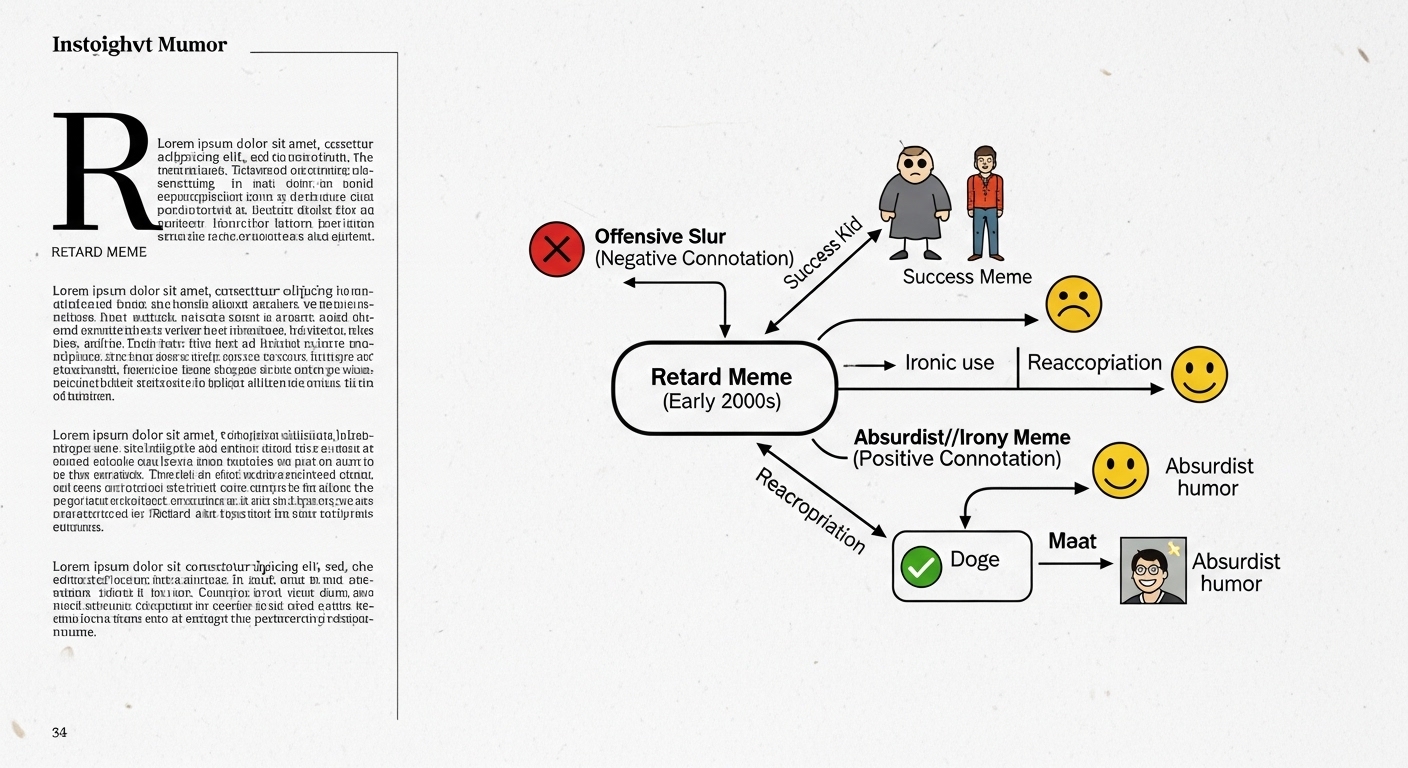

Internet culture constantly produces new jokes, images, and trends that spread rapidly across social platforms. Among these trends, the phrase retard meme has appeared in many online conversations about digital humor. While some users view it simply as a style of exaggerated comedic content, others consider the phrase controversial because of its historical association with offensive language. Understanding how the retard meme became part of internet culture requires looking at the evolution of memes, online communities, and the way humor changes when millions of people share and reinterpret the same joke. Examining this topic offers insight into both internet creativity and the social debates that surround modern digital communication.
Origins of the Retard Meme in Early Internet Culture
The phrase retard meme appears frequently in online discussions about internet humor yet its meaning and impact are often misunderstood. In many corners of the web the term refers to a style of meme that relies on exaggerated mistakes absurd logic or intentionally foolish reactions. While some users see it as harmless satire others criticize the language because it echoes a word historically used to insult people with intellectual disabilities. Understanding how the retard meme developed requires looking at the early culture of message boards image sharing communities and social media platforms where shock value irony and boundary pushing humor.
Anonymous Forums and the Rise of Exaggerated Humor
Early internet forums played a major role in shaping the humor style now associated with the retard meme. Communities built around anonymous posting encouraged people to experiment with exaggerated stupidity as a comedic device. Users would share images short captions or reaction pictures that intentionally misinterpreted simple situations. The joke often depended on pretending not to understand obvious facts. Over time this pattern created a recognizable meme format that spread across different platforms. However as the meme traveled beyond niche forums many audiences began questioning the language connected to it and whether repeating the phrase normalized disrespectful attitudes toward disability.
Visual Style and Structure of the Meme Format
The visual style linked to the retard meme usually features simple graphics screenshots or recycled reaction images. Instead of complex design the humor depends on a deliberately clumsy idea or an obviously wrong conclusion. A typical example might show a character misunderstanding a basic concept or celebrating a mistake as if it were a success. This exaggerated confusion becomes the punch line. Because the format is easy to recreate thousands of variations appear online every year. The simplicity helped the meme spread quickly especially on fast moving social networks where short visual jokes often perform better than long explanations online.
The Role of Irony in Online Meme Communities
Another reason the retard meme gained attention is the culture of irony that dominates many digital communities. Internet users frequently adopt exaggerated or offensive language while claiming they are only joking. In this environment people repeat controversial phrases to provoke reactions or signal membership within a specific online group. The humor becomes layered with sarcasm making it difficult for outsiders to know whether the joke is sincere or satirical. As the meme circulated more widely critics argued that ironic use of harmful language can still reinforce negative stereotypes even when the original intention was simply to create absurd comedy online.
Ongoing Debate About Humor and Responsibility
Debates about the retard meme often focus on the difference between freedom of expression and social responsibility. Supporters sometimes argue that internet humor should remain unrestricted because creativity thrives without strict rules. Critics respond that language carries historical weight and that repeating certain words can normalize harmful attitudes. The discussion reflects a broader challenge faced by online communities that must balance open conversation with respectful communication. Platforms moderators and creators increasingly consider how jokes spread and who may be affected by them. This debate continues to shape how controversial meme formats evolve in modern digital culture today across many platforms.
How Memes Spread Across Digital Platforms
The spread of the retard meme also demonstrates how quickly online content travels between platforms. A joke that begins on a small forum can reach millions of viewers once it appears on large social networks. Screenshots reposts and short video edits allow users to remix the same concept in new contexts. Each adaptation changes the tone slightly sometimes making the meme more harmless and sometimes more offensive. Because digital culture moves so rapidly discussions about language often follow the meme rather than guiding it. This constant circulation keeps the format visible even when controversy surrounds it online across different communities.
Academic Interest in Internet Meme Culture
Some educators and media researchers study the retard meme as an example of how humor evolves in participatory culture. Memes function like shared language allowing users to communicate ideas quickly through familiar formats. When a meme relies on controversial wording it reveals the tensions between humor identity and public values. Researchers often analyze comment sections repost patterns and user reactions to understand how audiences interpret the joke. Their findings show that context matters greatly. In some communities the meme appears as harmless absurdity while in others it’s viewed as offensive language that should gradually disappear from online conversations today.
Changing Attitudes Toward Language Online
The future of the retard meme will likely depend on how internet culture continues to change. As global audiences join online spaces expectations about respectful communication are evolving. Many creators already choose alternative phrases or new comedic styles that avoid controversial language while keeping the playful spirit of memes. At the same time older meme formats remain archived across countless websites and image libraries. This mixture of past and present humor shows how digital culture constantly adapts. Understanding the history and criticism surrounding the retard meme helps readers evaluate online jokes with greater awareness and cultural sensitivity in modern internet.
Conclusion
Internet memes reflect the creativity, humor, and debates that shape online communities. The discussion around the retard meme highlights how a simple joke format can grow into a larger conversation about language, culture, and responsibility in digital spaces. While some people continue to view it as a piece of internet history built on exaggerated comedy, others see it as an example of how humor evolves as audiences become more aware of social impact. By examining where the meme came from and how it spread, readers can better understand the complex relationship between online entertainment, cultural sensitivity, and the constantly changing nature of internet communication.