

The comparison of pint vs quart is a common topic for anyone involved in cooking, baking, or everyday measurements. These units are widely used in countries that follow the imperial or US customary systems, yet they often cause confusion due to their similar names and close relationship. Understanding how they differ is essential for accuracy in recipes, shopping, and portion control. The meaning of pint vs quart, their differences, practical uses, and how to convert between them easily, helping you feel more confident when working with these measurements.
What Is a Pint
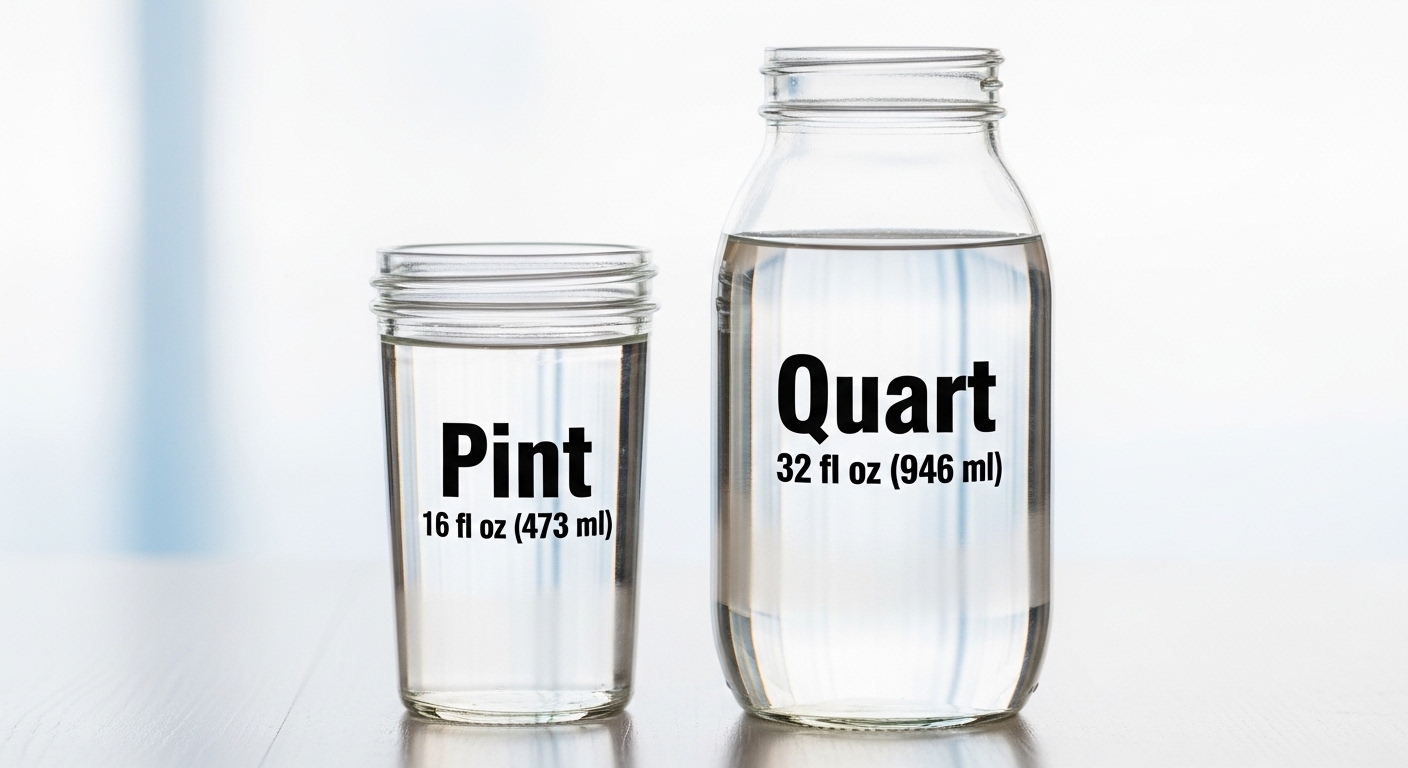
A pint is a unit of volume commonly used to measure liquids and sometimes dry ingredients. In the United States, one pint equals 16 fluid ounces, making it a convenient size for smaller quantities. it’s often used for items like milk, cream, and ice cream. The pint is practical for everyday use because it represents a manageable portion that’s easy to handle. Understanding the role of a pint helps create a foundation when comparing pint vs quart, as it serves as the smaller unit in this relationship.
What Is a Quart
A quart is a larger unit of volume that’s equal to two pints. In the United States, one quart equals 32 fluid ounces, making it suitable for measuring larger quantities of liquids. it’s commonly used for products like juice, soup, and cooking ingredients that require more volume. When comparing pint vs quart, the quart stands out as the more substantial measurement, often used when preparing meals for multiple people. Its larger capacity makes it a practical choice for both cooking and storage purposes.
Key Difference Between Pint and Quart
The main difference in the pint vs quart comparison lies in their size and capacity. A quart is exactly double the size of a pint, meaning two pints make one quart. This simple relationship is easy to remember and helps in quick conversions. While both units measure volume, their usage depends on the quantity required. A pint is better suited for smaller portions, while a quart is more appropriate for larger amounts. Recognizing this difference ensures accuracy in measurements and prevents errors in cooking or other applications.
Pint vs Quart in Cooking and Baking
In cooking and baking, understanding pint vs quart is essential for following recipes accurately. Many recipes specify ingredients in these units, and using the wrong measurement can affect the final result. For example, adding a quart instead of a pint could double the intended quantity, leading to imbalanced flavors or textures. Chefs and home cooks rely on precise measurements to achieve consistent outcomes. Knowing when to use a pint or a quart helps maintain the correct proportions and ensures that dishes turn out as expected every time.
Conversion Made Simple
Converting between pint vs quart is straightforward once you understand their relationship. Since one quart equals two pints, converting from pints to quarts involves dividing by two, while converting from quarts to pints requires multiplying by two. This simple rule makes it easy to adjust recipes or measurements as needed. Being comfortable with these conversions saves time and reduces confusion, especially when dealing with different measurement systems. Mastering this basic conversion skill is useful in both everyday tasks and professional cooking environments.
Differences in US and UK Measurements
When discussing pint vs quart, it’s important to note that measurements can differ between the United States and the United Kingdom. In the UK, a pint is slightly larger than a US pint, which also affects the size of a quart. These differences can lead to confusion when using recipes from different regions. Understanding the system being used is essential for accurate measurements. Paying attention to whether a recipe follows US or UK standards helps ensure that the correct quantities are used, preventing mistakes in preparation.
Everyday Uses of Pint and Quart
Pint and quart measurements are commonly used in daily life beyond the kitchen. They are often seen in grocery stores, where products like milk, juice, and ice cream are labeled in these units. Understanding pint vs quart helps consumers make informed decisions when purchasing items. For example, choosing between a pint or a quart may depend on the amount needed or the number of people being served. This knowledge also helps in managing portions and avoiding waste, making it a practical skill for everyday situations.
Choosing the Right Measurement
Selecting between a pint and a quart depends on the specific task and quantity required. For smaller servings or individual portions, a pint is usually sufficient. For larger recipes or group servings, a quart is more appropriate. Understanding pint vs quart allows you to choose the right measurement with confidence. This decision can impact not only the outcome of a recipe but also convenience and efficiency in preparation. Making the right choice ensures that you use the correct amount without unnecessary adjustments or complications.
Why Understanding Measurements Matters
Understanding the difference between pint vs quart is important for accuracy and efficiency in various activities. Whether you are cooking, shopping, or measuring liquids, knowing these units helps prevent mistakes. Accurate measurements contribute to better results, especially in tasks that require precision. This knowledge also builds confidence, allowing you to handle recipes and instructions with ease. By mastering basic measurement concepts, you can improve your skills and avoid common errors that may arise from confusion between similar units.
Conclusion
The comparison of pint vs quart highlights the importance of understanding basic measurement units. While they are closely related, their differences in size and usage play a significant role in cooking, shopping, and daily tasks. A pint serves as a smaller, convenient unit, while a quart provides a larger capacity for greater needs. By learning their relationship and practicing simple conversions, you can use these measurements effectively. This knowledge ensures accuracy, saves time, and enhances your ability to manage quantities confidently in any situation.