
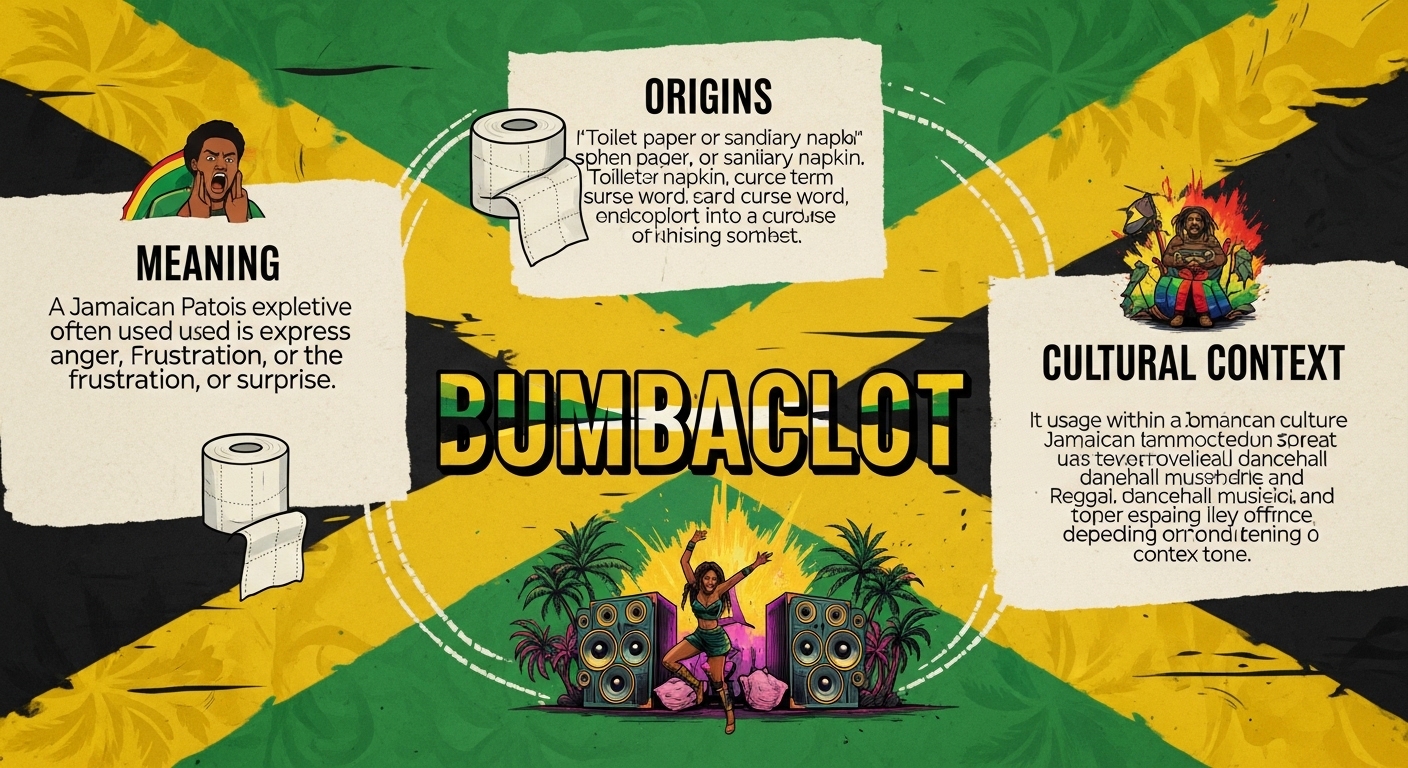

Language evolves in fascinating ways, and certain words gain attention due to their strong cultural roots and expressive power. One such term is bumbaclot, a word that has sparked curiosity among people across different regions. While it may appear in music, conversations, or online discussions, its meaning and usage are often misunderstood. Understanding bumbaclot requires more than a simple definition, as it carries historical, cultural, and emotional significance. Its origins, interpretations, and appropriate context, helping readers gain a clear and respectful understanding of how the term is used in modern communication.
The Origin of the Word Bumbaclot
The term bumbaclot originates from Jamaican Patois, a creole language spoken in Jamaica that blends English with African linguistic influences. Historically, the word referred to a type of cloth used for personal hygiene, which gives insight into its literal roots. Over time, its meaning shifted beyond the literal sense and became part of everyday speech in Jamaican culture. Like many expressions in Patois, bumbaclot evolved through social usage, gaining emotional and expressive depth. Understanding its origin helps explain why the word carries strong connotations and why it should be used with cultural awareness and sensitivity.
Cultural Significance in Jamaican Society
In Jamaican society, bumbaclot holds cultural weight that goes beyond its dictionary meaning. It is often used to express strong emotions such as surprise, anger, or frustration. The intensity of the word makes it powerful, and its usage can vary depending on tone and context. In traditional settings, it is considered a strong expression and may be viewed as inappropriate in formal or respectful conversations. This cultural significance highlights the importance of understanding how language reflects social values and norms, especially when words carry emotional and historical depth within a specific community.
Modern Usage and Global Exposure
With the rise of global media and digital platforms, bumbaclot has gained international recognition. It frequently appears in music, social media, and online conversations, often used without full understanding of its meaning. This global exposure has led to both curiosity and misuse, as people adopt the word without awareness of its cultural background. While it may be used casually in some online contexts, its original intensity remains significant. Understanding its modern usage requires balancing its widespread presence with respect for its origins, ensuring that communication remains thoughtful and culturally informed.
Meaning and Interpretation in Context
The meaning of bumbaclot can change depending on how and where it is used. In some situations, it acts as an exclamation similar to strong expressions in other languages, conveying emotion rather than a literal message. However, its interpretation depends heavily on tone, relationship between speakers, and cultural setting. Without proper context, the word can be misunderstood or perceived as offensive. This highlights the importance of context in language, where meaning is shaped not only by words themselves but also by how they are delivered and received within different social environments.
Influence of Music and Pop Culture
Music and pop culture have played a major role in spreading the term bumbaclot beyond its original setting. It is often heard in reggae and dancehall music, where expressive language is used to convey emotion and storytelling. Artists use such words to reflect real-life experiences and cultural identity. As these music genres gain global popularity, listeners encounter terms like bumbaclot and incorporate them into their vocabulary. This influence demonstrates how cultural expressions travel across borders, shaping language trends while also raising questions about appropriate usage and understanding.
Sensitivity and Responsible Usage
Using words like bumbaclot requires awareness and sensitivity, especially for those outside the culture in which it originated. While it may seem like just another slang term, its historical and cultural significance makes it more complex. Inappropriate or casual use can lead to misunderstandings or unintended offense. Responsible usage involves recognizing the context in which the word is acceptable and respecting the cultural background it represents. By approaching such terms thoughtfully, individuals can engage with language in a way that is both respectful and informed, promoting better cross-cultural communication.
Differences Between Slang and Formal Language
Bumbaclot is an example of how slang differs from formal language in both tone and purpose. Slang often reflects emotion, identity, and social connection, while formal language focuses on clarity and professionalism. Words like bumbaclot are rarely appropriate in formal communication, as they carry strong informal and cultural connotations. Understanding this distinction helps individuals choose the right language for different situations. It also highlights the richness of informal speech, where expressions convey deeper feelings and cultural identity that may not be captured in standard language forms.
Common Misunderstandings
Many people misunderstand bumbaclot due to its exposure outside its cultural context. Some assume it is a harmless or humorous term, while others use it without knowing its intensity. These misunderstandings can lead to misuse and confusion in communication. Without proper knowledge, individuals may unintentionally offend others or misinterpret its meaning. Addressing these misconceptions requires education and awareness about the word’s origin and significance. By learning the correct context, people can avoid errors and engage more respectfully with language that carries cultural importance.
The Evolution of Language and Slang
The journey of bumbaclot reflects the broader evolution of language and slang over time. Words often change in meaning as they move across cultures and generations, influenced by media, migration, and social interaction. This evolution can lead to both enrichment and dilution of original meanings. Bumbaclot serves as an example of how language adapts while still retaining its roots. Understanding this process helps individuals appreciate the dynamic nature of communication and the importance of preserving cultural context even as words gain new interpretations in a globalized world.
Conclusion
Bumbaclot is more than just a word; it is a reflection of cultural expression, history, and evolving language. Its journey from a local term in Jamaican Patois to a globally recognized expression highlights the power of communication and cultural exchange. Understanding its meaning, origin, and appropriate usage allows individuals to engage with it respectfully and thoughtfully. As language continues to evolve, maintaining awareness of cultural context remains essential. By doing so, people can appreciate the richness of diverse expressions while ensuring that communication remains respectful, accurate, and meaningful across different communities.