
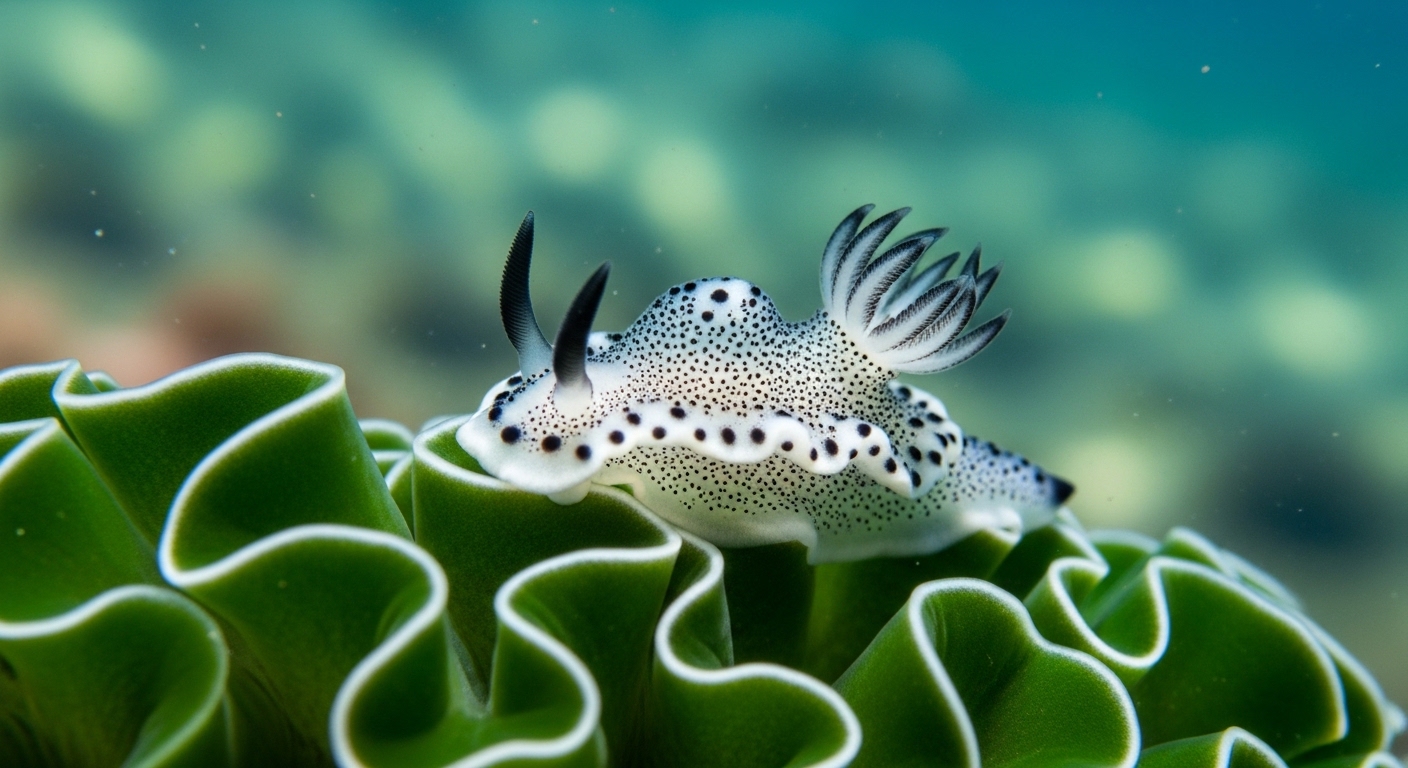

The sea bunny is a fascinating marine creature that has captured global attention due to its unique and charming appearance. Despite its cute nickname, it is actually a species of sea slug known scientifically as Jorunna parva. Its small body, soft texture, and ear-like structures make it resemble a tiny rabbit, which explains its popular name. Found in warm ocean waters, the sea bunny has become a favorite subject for underwater photographers and marine enthusiasts. Beyond its appearance, this creature plays an important role in marine ecosystems, making it both visually appealing and biologically significant.
What Exactly Is a Sea Bunny
The sea bunny is a type of nudibranch, a group of soft-bodied marine animals known for their bright colors and unusual shapes. Unlike land animals, it lacks a shell and relies on other methods for protection and survival. Its scientific name, Jorunna parva, reflects its classification within marine biology. The name sea bunny comes from its resemblance to a small rabbit, with structures on its head that look like ears. These features are actually sensory organs that help it navigate its environment. Understanding its true nature helps highlight the difference between appearance and biological reality.
Unique Physical Characteristics of the Sea Bunny
The sea bunny is best known for its soft, fuzzy appearance, which makes it stand out among marine creatures. Its body is covered with tiny hair-like structures that give it a velvety texture. These structures also serve a protective function by detecting changes in the surrounding water. The ear-like appendages on its head are called rhinophores and are used for sensing chemicals in the water. Its small size, often just a few centimeters long, adds to its delicate appearance. These unique features make the sea bunny one of the most recognizable and admired nudibranch species.
Natural Habitat and Distribution
Sea bunnies are typically found in the Indo-Pacific region, including coastal waters of Japan, the Philippines, and surrounding areas. They prefer warm, shallow waters where they can easily access their food sources. Coral reefs and rocky seabeds provide ideal environments for their survival. These habitats offer both protection and opportunities to find prey. The sea bunny’s distribution is closely linked to the availability of specific marine sponges, which form a major part of its diet. Understanding its habitat helps researchers study its behavior and the ecological balance of marine environments.
Diet and Feeding Behavior
The sea bunny has a specialized diet that mainly consists of marine sponges. It uses a structure called a radula, which functions like a tiny scraping tool, to feed on its prey. This feeding method allows it to extract nutrients from the sponge surfaces efficiently. Interestingly, the sea bunny can absorb toxins from the sponges it consumes and use them as a defense mechanism. This adaptation helps protect it from predators in the ocean. Its feeding behavior demonstrates how even small marine creatures have evolved complex strategies for survival in competitive ecosystems.
Defense Mechanisms and Survival Strategies
Despite its delicate appearance, the sea bunny has effective defense mechanisms that help it survive in the wild. One of its main strategies is the ability to absorb and store toxins from its food, making it unappealing or harmful to predators. Its soft body and small size also allow it to hide easily among coral and rocks. The sensory organs on its head help it detect danger and respond quickly. These adaptations ensure that the sea bunny can navigate its environment safely. Its survival strategies highlight the complexity of marine life and the importance of adaptation.
Role in Marine Ecosystems
The sea bunny plays an important role in maintaining the balance of marine ecosystems. By feeding on sponges, it helps control their population and prevents them from overgrowing coral reefs. This balance is essential for the health of reef systems, which support a wide variety of marine species. The presence of sea bunnies can also indicate a healthy environment, as they rely on specific conditions to thrive. Their role may seem small, but it contributes to the larger ecological system. Studying such creatures helps scientists understand the interconnected nature of ocean life.
Why the Sea Bunny Became an Internet Sensation
The sea bunny gained popularity on social media due to its adorable appearance and unique features. Images and videos of this tiny creature quickly captured the attention of people around the world. Its resemblance to a small rabbit made it especially appealing to a broad audience. This widespread interest has increased awareness of marine biodiversity and the importance of ocean conservation. While its fame is largely based on its looks, it has also sparked curiosity about marine life. The sea bunny’s popularity shows how visual appeal can drive interest in scientific topics.
Challenges and Environmental Threats
Like many marine species, the sea bunny faces challenges due to environmental changes and human activities. Pollution, climate change, and habitat destruction can negatively impact its natural environment. Coral reef degradation reduces the availability of food and shelter, making survival more difficult. Because it relies on specific conditions, even small changes in water temperature or quality can affect its population. Protecting marine ecosystems is essential for preserving species like the sea bunny. Awareness and conservation efforts play a key role in ensuring that these unique creatures continue to thrive in their natural habitats.
Importance of Marine Conservation Efforts
The survival of the sea bunny depends on the health of the oceans and the effectiveness of conservation efforts. Protecting coral reefs and reducing pollution are essential steps in maintaining marine biodiversity. Conservation programs that focus on sustainable practices can help preserve habitats for countless species. Public awareness also plays an important role in encouraging responsible behavior toward the environment. By understanding the importance of creatures like the sea bunny, individuals can contribute to broader conservation goals. These efforts ensure that future generations can continue to explore and appreciate the diversity of marine life.
Conclusion
The sea bunny is a remarkable example of how nature combines beauty and complexity in even the smallest creatures. Its unique appearance, fascinating behavior, and ecological importance make it a subject of interest for both scientists and the general public. While it may seem like a simple marine animal, it plays a vital role in maintaining the balance of ocean ecosystems. As environmental challenges continue to grow, protecting species like the sea bunny becomes increasingly important. Appreciating and preserving marine life helps ensure a healthier and more sustainable future for our oceans.