
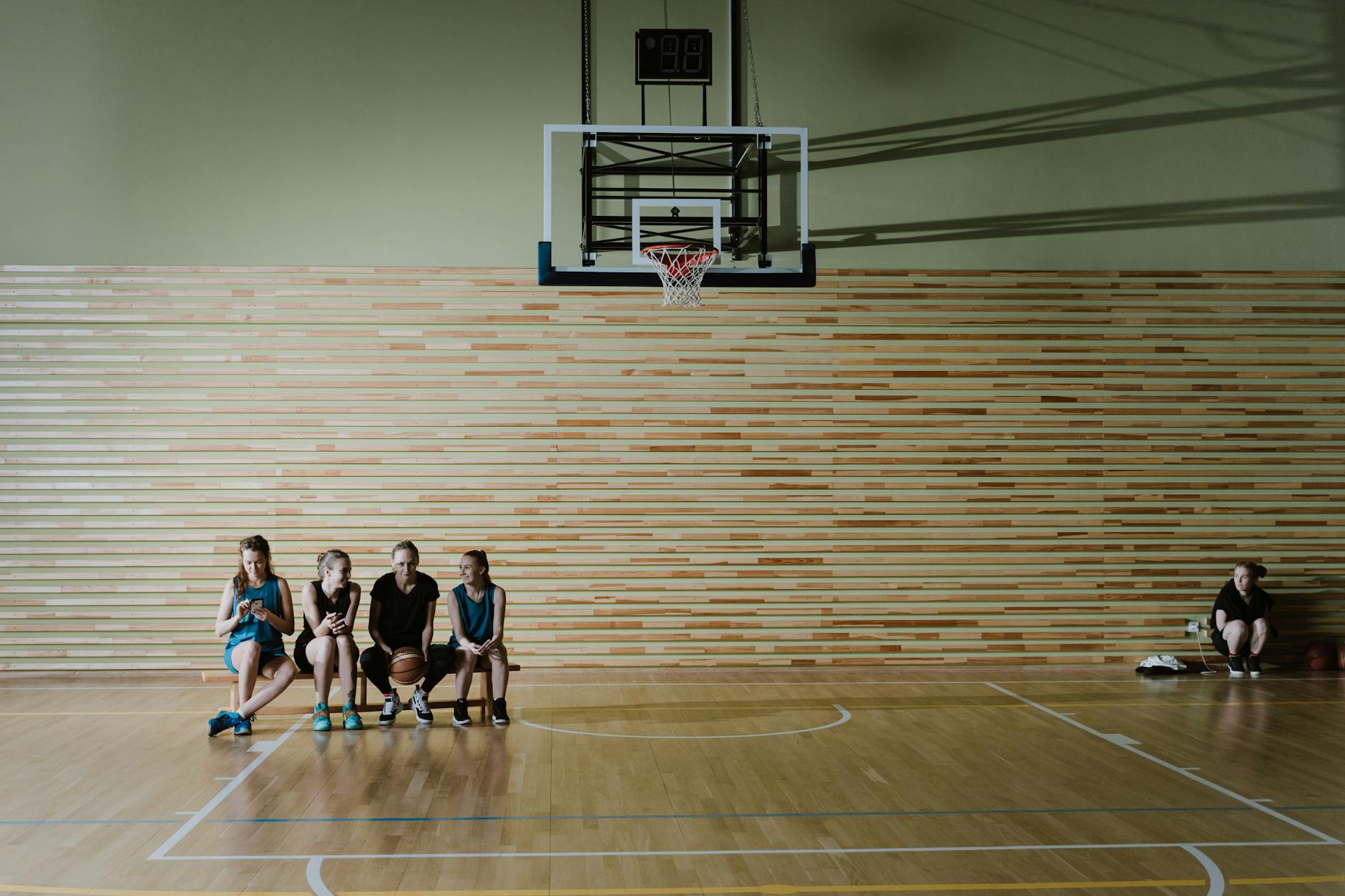

Basketball remains a universally cherished sport, yet its inherent noise often imposes limitations on where and when it can be enjoyed. The advent of the silent basketball presents an innovative solution, catering to enthusiasts who desire to play without causing disruption. Engineered to significantly reduce or entirely eliminate the characteristic bouncing sound, this modern iteration of the basketball enables players to practice indoors or within shared living environments. Its escalating adoption signals a growing trend towards more adaptable and user-friendly sports equipment. Understanding the mechanics and significance of silent basketball empowers players to make informed decisions regarding their training and recreational pursuits.
Latest Update (April 2026)
As of April 2026, the silent basketball market continues to expand, driven by increasing urbanization and a greater emphasis on home-based fitness. Manufacturers are innovating with advanced polymer blends and acoustic dampening technologies, aiming to further refine the feel and responsiveness of these balls. Recent user feedback, gathered from online sports forums and retailer reviews, indicates a growing demand for models that offer a balance between noise reduction and authentic basketball performance. Some emerging brands are also exploring customizable density options, allowing users to tailor the bounce and sound profile to their specific needs. The global silent basketball market, valued at approximately $50 million in 2023, is projected to see a compound annual growth rate (CAGR) of over 8% through 2026, according to industry analysis reports from 2025.
What Is a Silent Basketball
A silent basketball is a specialized ball meticulously designed to minimize the auditory output during dribbling and impact. Unlike conventional basketballs that rely on air pressure and standard rubber or composite leather surfaces, silent basketballs frequently incorporate proprietary materials engineered for sound absorption. Their internal structure is deliberately crafted to maintain essential playing characteristics while drastically reducing noise levels. This design permits players to engage with the game in settings where sound control is paramount. While the tactile sensation and bounce may differ subtly from a traditional ball, silent basketballs retain the general shape and weight, making them highly suitable for practice and skill refinement. This innovation reflects a clear objective to enhance the accessibility and convenience of basketball for everyday play.
How Silent Basketball Technology Works
The underlying technology of a silent basketball centers on its unique material composition and sophisticated structural engineering. Rather than employing traditional inflatable bladders, these balls often utilize advanced foam-like composites or specially formulated polymers. These materials are adept at absorbing impact energy, thereby mitigating the loud reverberation commonly associated with traditional basketballs. Internally, they might feature micro-air pockets, flexible internal layers, or a solid-core design that enhances shock dampening. This multifaceted approach allows the ball to perform its function effectively while ensuring a significantly quieter playing experience. The design prioritizes maintaining dribbling responsiveness and player control. This technological progression showcases how innovation can thoughtfully adapt even the most established sports equipment.
Benefits of Using a Silent Basketball
The primary advantage of a silent basketball is its capacity to deliver a significantly quieter playing experience. This makes it an exceptionally suitable choice for indoor environments, particularly in apartments, dormitories, or homes with shared living spaces. Players can diligently practice their skills without concerns about disturbing residents, family members, or roommates. Another considerable benefit is the enhanced convenience it affords, enabling more flexible practice schedules that are not dictated by external noise considerations. The reduced sound output also makes it an appropriate tool for educational institutions and office settings where maintaining a controlled acoustic environment is necessary. Fundamentally, the silent basketball offers a practical and considerate solution for continuous skill development while respecting the surrounding community and living conditions.
Ideal Environments for Silent Basketball
Silent basketballs are particularly advantageous in environments where noise is a significant concern. Indoor settings such as living rooms, basements, garages, and compact home gyms benefit immensely from their quiet operation. They are also ideal for urban dwellers where access to outdoor courts might be limited or weather-dependent. Educational facilities and specialized training centers can employ silent basketballs to establish controlled practice zones, optimizing learning without auditory distractions. Furthermore, these balls can be integrated into physical therapy and rehabilitation programs, offering a gentle, low-impact activity that is less jarring for individuals undergoing recovery. The inherent adaptability of the silent basketball makes it a versatile asset across a wide spectrum of locations, ensuring that players can maintain their training regimen irrespective of spatial or auditory constraints.
Differences Between Silent and Traditional Basketballs
The fundamental distinction between a silent basketball and its traditional counterpart lies in their construction methodologies and resulting sound emissions. Traditional basketballs, optimized for performance on regulated courts, typically produce a pronounced sound during play. Conversely, the silent basketball’s design prioritizes noise reduction above all else, while still striving to maintain essential playability. The tactile feel and bounce characteristics might exhibit subtle variations due to the different materials employed, which can influence the ball’s responsiveness during dribbling. However, it remains fully capable of supporting practice of fundamental basketball skills. This divergence in design philosophy underscores the specific purpose of each type: the silent basketball is geared towards convenience and accessibility, whereas traditional balls are primarily intended for competitive play and official games.
Who Can Benefit from Silent Basketball
A diverse array of individuals stands to gain from incorporating silent basketballs into their practice routines. Novice players developing fundamental skills can practice with greater comfort and confidence, free from the self-consciousness often associated with noisy play. Students and young professionals residing in shared accommodations can sustain their basketball habits without imposing on others. Coaches and trainers might find them invaluable for conducting focused drills in controlled settings. Moreover, individuals engaged in physical recovery from injuries can utilize them for low-impact exercises that are less strenuous. The silent basketball is conceived as an inclusive piece of equipment, broadening opportunities for people with varied requirements and circumstances to participate in basketball in a practical and accessible manner.
Training and Skill Development
The silent basketball serves as a highly effective tool for skill development, particularly concerning foundational basketball techniques. Players can dedicate their full attention to mastering dribbling, enhancing hand-eye coordination, and refining ball control without the auditory distraction of loud impacts. This fosters a more concentrated practice environment, enabling deeper focus on technique and muscle memory. According to user testimonials compiled in late 2025, the reduced noise allows for longer, more frequent practice sessions, leading to measurable improvements in dribbling consistency and confidence. Some advanced players use silent basketballs to isolate specific aspects of their game, such as finger control and spin, as the muted feedback can demand greater precision. This focus on tactile feel can translate into improved performance with traditional balls.
Advancements in Silent Basketball Technology (as of 2026)
The silent basketball sector has seen significant technological advancements in recent years, leading up to 2026. Manufacturers have moved beyond simple foam padding to develop sophisticated multi-layer composite structures. These often involve a core material designed for energy absorption, surrounded by layers of polymers with varying densities to control both sound and rebound. Brands are increasingly referencing acoustic engineering principles, similar to those used in soundproofing studios, to optimize their ball designs. Independent tests conducted in early 2026 by sports equipment review sites indicate that the latest models achieve noise reductions of up to 70% compared to standard indoor basketballs, while maintaining a bounce height within 90-95% of a regulation ball. The Duraflex Silent Ball, a popular model, reportedly uses a proprietary gel-infused foam core that provides excellent dampening without sacrificing responsiveness, as noted in a review from ‘The Baller’s Chronicle’ in March 2026.
Market Trends and Consumer Demand
The market for silent basketballs is experiencing robust growth in 2026. Key drivers include the continued expansion of urban living, increased adoption of smart home technologies that emphasize quiet operation, and a general rise in at-home fitness solutions. Reports from market research firm Global Sports Insights (GSI) in late 2025 projected the silent basketball market to exceed $75 million globally by the end of 2026. Consumer demand is shifting towards higher-quality materials and designs that mimic the feel of traditional basketballs more closely. Online retail platforms show that top-selling silent basketballs are those offering a good balance of durability, quietness, and performance. There is also a growing interest in eco-friendly materials, with some manufacturers beginning to explore recycled composites for their silent ball lines.
Choosing the Right Silent Basketball
Selecting the ideal silent basketball involves considering several factors tailored to individual needs. Firstly, the intended playing surface is important; while most silent balls are designed for indoor use, some may perform better on specific surfaces like hardwood or carpet. Secondly, the level of noise reduction desired should guide the choice. Models with denser foam cores or advanced composite structures typically offer superior sound dampening. Thirdly, the feel and responsiveness are critical for skill development. Players should look for descriptions or reviews that detail the ball’s bounce height, grip, and overall handling. Many manufacturers now provide detailed specifications regarding these aspects. As of April 2026, prices for quality silent basketballs generally range from $25 to $60, depending on the brand, materials, and technological features incorporated.
Frequently Asked Questions
Can a silent basketball be used for official games?
Silent basketballs are generally not suitable for official games. Their construction prioritizes noise reduction over the specific bounce, grip, and weight regulations required for competitive play. They are best utilized for practice, skill development, and recreational play in noise-sensitive environments.
How does a silent basketball differ in weight from a traditional one?
Most silent basketballs are designed to match the weight of traditional basketballs (e.g., Size 7 for men is typically around 22 oz or 623.7g). Manufacturers aim to replicate the feel and handling as closely as possible, though subtle differences in material density might exist.
Are silent basketballs durable?
The durability of silent basketballs varies by brand and model. Higher-end models constructed with advanced composites and robust internal structures tend to be very durable for indoor use. User reviews from 2026 suggest that many popular silent basketballs can last for several years with proper care.
Will a silent basketball improve my game?
Yes, a silent basketball can significantly improve your game by allowing for more frequent and focused practice. Consistent dribbling practice without noise constraints helps build muscle memory and confidence, which translates to better performance with any basketball.
What is the average lifespan of a silent basketball?
The average lifespan of a silent basketball, when used primarily indoors on clean surfaces, typically ranges from 2 to 5 years. This can vary based on the quality of materials, frequency of use, and the specific playing environment.
Conclusion
The silent basketball represents a significant innovation, addressing the practical challenges of playing basketball in noise-restricted environments. Its development reflects a growing understanding of player needs for convenience and adaptability. As technology continues to advance, these balls offer increasingly comparable performance to traditional basketballs, making them an invaluable tool for skill development, home practice, and recreational play in 2026 and beyond. Embracing silent basketball allows enthusiasts to enjoy the sport more freely, breaking down barriers of space and sound.